
The Ultimate Guide to Accumulated Amortization: Intangible Asset Impact
December 14, 2020by adm1nlxg1nBookkeeping0

This can lead to a divergence between the book value and tax value of an asset, which in turn affects a company’s taxable income. Accumulated amortization is a critical accounting concept that reflects the reduction in the book value of intangible assets over time. As businesses utilize these assets, the amortization expense is recorded, which in turn accumulates. This not only affects the asset’s value on the balance sheet but also has significant tax implications. The process of amortization serves to allocate the cost of an intangible asset over its useful life, thereby mirroring its consumption and utility in generating revenue for the business.
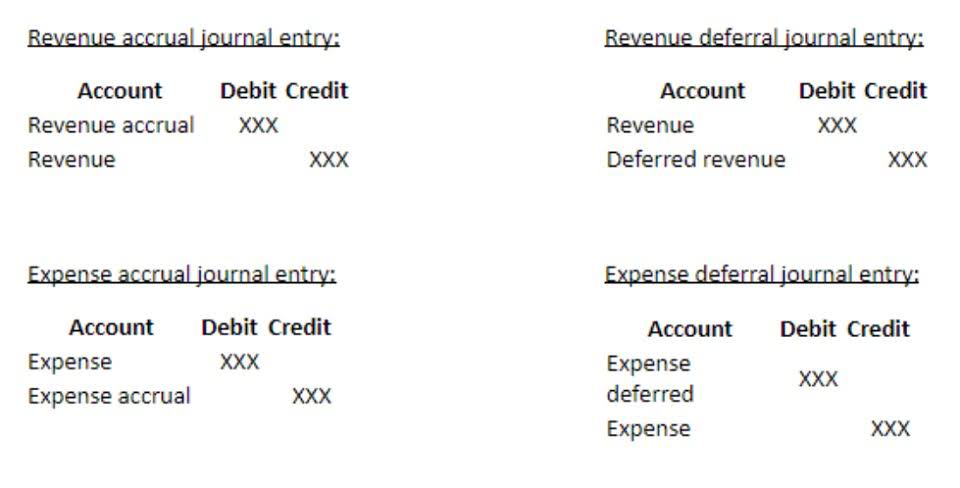
Journal Entry for Amortization
The schedule will consist of both interest and principal elements for the company to record. Shareholder equity, also known as stockholders’ equity, represents the amount of money that would be returned to shareholders if all the assets were liquidated and all the company’s debts were paid off. It’s calculated as the difference between total assets and total liabilities. This figure is crucial because it shows the company’s net worth in the eyes of the shareholders. The management team must strike a balance between short-term and long-term liabilities to ensure the company can meet its immediate obligations without compromising future growth.
Cash Application Management
From an accountant’s perspective, accumulated amortization helps in matching the expense of using an intangible asset with the revenue it generates, adhering to the matching principle of accounting. This ensures that financial statements present a fair view of the company’s earnings in a given period. For instance, if a company has a patent that it amortizes over 10 years, the annual amortization expense reflects the systematic allocation of the patent’s cost over its useful life.
Financial Close Solution
- Licenses are legal agreements that grant permission to use a certain product or service.
- It affects not only the balance sheet but also the income statement and, by extension, the cash flow statement.
- Achieve accumulated amortization through the reduction of the intangible account lump sum incrementally.
- My recommendation would be to not use the opening balance in the account set-up in QBO.
- HighRadius offers a cloud-based Record to Report Software that helps accounting professionals streamline and automate the financial close process for businesses.
- By expensing a portion of the asset’s cost each year, businesses can present a more realistic picture of their financial position.
This would be reflected as a deduction from the original purchase price in the company’s balance sheet. Percentage technique is one of the many methods used to calculate expenses related to depletion. It works by assigning a fixed percentage to gross income to allocate expenses.

Is accumulated amortization an asset?
- It resets the amortization dollar figure yearly based on the carrying value of the bond.
- The accumulated depreciation is the total amount of depreciation that has been recorded for the asset since it was acquired.
- The cost of the asset is spread out over the estimated useful life of the asset, and a portion of the cost is expensed each year as depreciation.
- That being said, the way this amortization method works is the intangible amortization amount is charged to the company’s income statement all at once.
- The goodwill impairment test is an annual test performed to weed out worthless goodwill.
- Then the annual or monthly depreciation amount is determined using depreciation methods.
The balance sheet displays the accumulated depreciation and amortization as a contra asset account, which means it’s a deduction from the original cost of the asset. Remaining is the price of an intangible asset that has not been allocated to amortization expense yet and is considered the unusual price of an intangible asset subtracted by its accumulated amortization. The linked total of accumulated amortization is likewise eliminated from the balance sheet as an intangible asset is finished. For example, a media company managing multiple intangible assets can use software to automate amortization schedules, ensuring accuracy and compliance. Accumulated amortization is the total sum of amortization expense recorded for an intangible asset.
- This method is usually used when a business plans to recognize an expense early on to lower profitability and, in turn, defer taxes.
- After five years, the accumulated amortization would be $5 million, indicating that half of the platform’s initial value has been expensed.
- It helps in aligning debt repayment with revenue cycles, ensuring that the company does not face liquidity issues.
- In conclusion, understanding where accumulated amortization goes on the balance sheet is crucial for accurately presenting the value and cost of intangible assets.
- Similar to the depreciation, in the amortization expense journal entry, total expenses in the income statement will increase while total assets in the balance sheet decrease.
Depending on the type of asset — tangible versus intangible — there are differences in the calculation method allowed and how they are presented on financial statements. Tangible assets can often use the modified accelerated cost recovery system (MACRS). The same amount of expense is recognized whether the intangible asset is older or newer. Tangible assets may have some value when the business no longer has a use for them. Depreciation is therefore calculated by subtracting the asset’s salvage value or resale value from its original cost. The depreciated amount expensed each year is a tax deduction for the company until the useful life of the asset has expired.
The Strategic Role of Accumulated Amortization in Asset Management
Regardless of the approaches employed, it is critical to comprehend the residual value, intangible asset’s usefulness, and the impact on actual distribution and production costs. After five years, the accumulated amortization totals $100,000, reducing the franchise agreement’s book value to $100,000. This accounting treatment ensures that the expense is matched to the revenues generated by the franchise. For example, a tech company with $50,000 in accumulated amortization for its software licenses reduces the asset’s original cost of $100,000 adjusting entries to a net book value of $50,000. For example, a manufacturing company records accumulated depreciation for its factory equipment and accumulated amortization for its proprietary software. From an accountant’s perspective, the focus is on precision and adherence to the Generally Accepted Accounting Principles (GAAP) or international Financial Reporting standards (IFRS).
Balance
Accumulated amortization plays a crucial role in the balance sheets of companies, particularly those that deal with a significant amount of intangible assets. Unlike tangible assets, which are depreciated, intangible assets are amortized over their useful life. The process of amortization systematically reduces the value of these intangible assets on the balance sheet, reflecting their consumption and the expiration of their economic benefits over time. This accounting practice ensures that the cost of the intangible assets is matched with the revenue they generate, adhering to the matching principle of accounting. Understanding the placement of accumulated amortization on accumulated amortization the balance sheet is vital because it provides transparency regarding the true value and cost of intangible assets. This knowledge allows users of financial statements to make informed decisions about a company’s financial health and its ability to generate future profits.
Copyrights provide creators with exclusive rights to their works, typically lasting the life of the author plus 70 years in How to Invoice as a Freelancer the United States. The amortization of copyrights depends on their useful life, which may be shorter than the legal term. For instance, if a company acquires a copyright for $100,000 with an expected useful life of 20 years, the annual amortization expense would be $5,000.