
Your Ultimate Guide to Online Forex Trading
October 28, 2025by adm1nlxg1ntraiding20
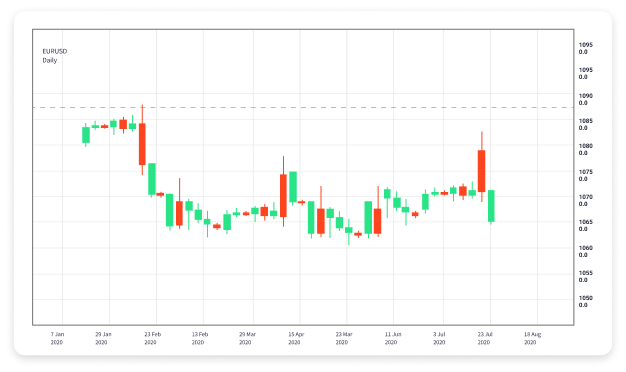
Forex trading online has gained immense popularity in recent years. Traders worldwide are seeking opportunities in the foreign exchange market, and platforms like forex trading online exbroker-turkiye.com have made access to forex trading easier than ever. Understanding the fundamentals and strategies of forex trading is crucial for anyone looking to enter this dynamic field.
What is Forex Trading?
Forex trading, or foreign exchange trading, involves exchanging one currency for another in the global marketplace. It operates on a decentralized market, meaning there’s no central exchange; instead, trading occurs over-the-counter (OTC) through electronic networks between traders. The forex market is the largest financial market in the world, with a daily trading volume exceeding $6 trillion.
Why Trade Forex Online?
There are several reasons why traders choose to engage in forex trading online:
- Accessibility: With the growth of technology, traders can access the forex market from anywhere in the world at any time, provided they have an internet connection.
- Leverage: Forex trading allows traders to use leverage, which means they can control larger positions with a smaller amount of capital. This can amplify profits but also increases risk.
- Diverse Options: The forex market offers a wide variety of currency pairs to trade, giving traders the opportunity to speculate on major currencies like the US Dollar, Euro, and Japanese Yen.
- Liquidity: The forex market is known for its high liquidity, which means that traders can enter and exit positions easily.
Getting Started with Online Forex Trading
Before diving into forex trading, it’s essential to prepare yourself adequately. Here are the steps to get started:
1. Educate Yourself
Knowledge is power in the world of forex trading. Familiarize yourself with key concepts, terminology, and trading strategies. There are numerous online resources, webinars, and courses that can help you build your foundation.
2. Choose a Reliable Broker
Selecting the right forex broker is critical to your success. Look for a broker who is regulated, offers a user-friendly platform, and has a good reputation in the market. Review their trading fees, leverage options, and customer support services.
3. Open a Trading Account
Once you’ve chosen your broker, you need to open a trading account. Most brokers offer multiple account types, so select one that fits your trading style and experience level.
4. Develop a Trading Plan
A well-defined trading plan is essential for success. Your plan should include your trading goals, risk management strategies, and the market analysis methods you’ll use.
5. Start with a Demo Account
Most online brokers offer demo accounts that allow traders to practice without risking real money. This is a great way to gain experience and test your strategies in a risk-free environment.
Understanding Forex Trading Strategies
In forex trading, different strategies can be employed to maximize potential profits. Here are some of the most common approaches:
1. Scalping
Scalping involves making dozens or even hundreds of trades in a single day, aiming to secure small profits on each trade. This strategy requires a solid understanding of the market and quick decision-making skills.
2. Day Trading
Day traders open and close their positions within the same trading day. They focus on short-term price movements and are typically influenced by news events and market trends.
3. Swing Trading
Swing traders hold their positions for several days or weeks, aiming to capitalize on expected price swings. This strategy requires a good grasp of technical analysis and market indicators.
4. Position Trading
Position trading is a long-term strategy where traders hold their positions for weeks, months, or even years. They rely heavily on fundamental analysis to make trading decisions.
Risk Management in Forex Trading
Effective risk management is crucial in forex trading to protect your capital and reduce potential losses. Here are some tips to consider:
- Set Stop-Loss Orders: Use stop-loss orders to limit potential losses on your trades. This ensures that if the market moves against you, your position will automatically close at a predetermined price.
- Limit Leverage: While leverage can amplify gains, it can also increase risk significantly. Use lower leverage to manage your exposure effectively.
- Diversify Your Portfolio: Consider diversifying your trades by investing in multiple currency pairs to spread risk across different assets.
- Only Risk What You Can Afford to Lose: Only trade with capital that you can afford to lose, and never chase losses by increasing your trade size.
Staying Informed: The Importance of Market Analysis
Staying updated on market trends and news is vital for successful forex trading. Here are two primary types of analysis used by traders:
1. Technical Analysis
Technical analysis involves analyzing price charts and using indicators to forecast future price movements. Traders look for patterns and signals that might indicate a market trend.
2. Fundamental Analysis
Fundamental analysis focuses on economic indicators, news events, and geopolitical factors that may affect currency values. Economic reports, central bank announcements, and political events can significantly impact the forex market.
Conclusion
Forex trading online presents a multitude of opportunities for traders willing to invest time and effort into learning the market. By understanding the fundamentals, developing a solid trading plan, and employing effective risk management strategies, you can enhance your chances of success in this exciting field. Always remember to stay informed and continuously improve your skills to navigate the ever-changing forex landscape effectively.